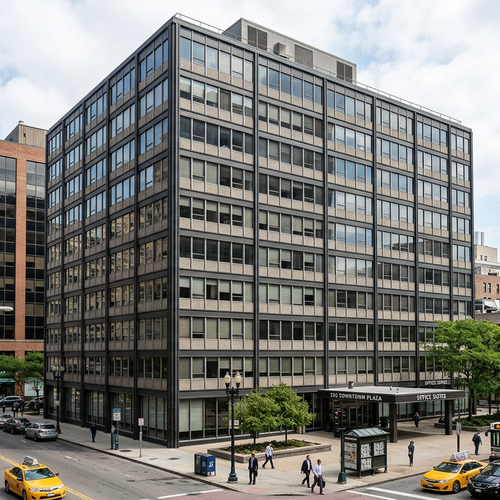





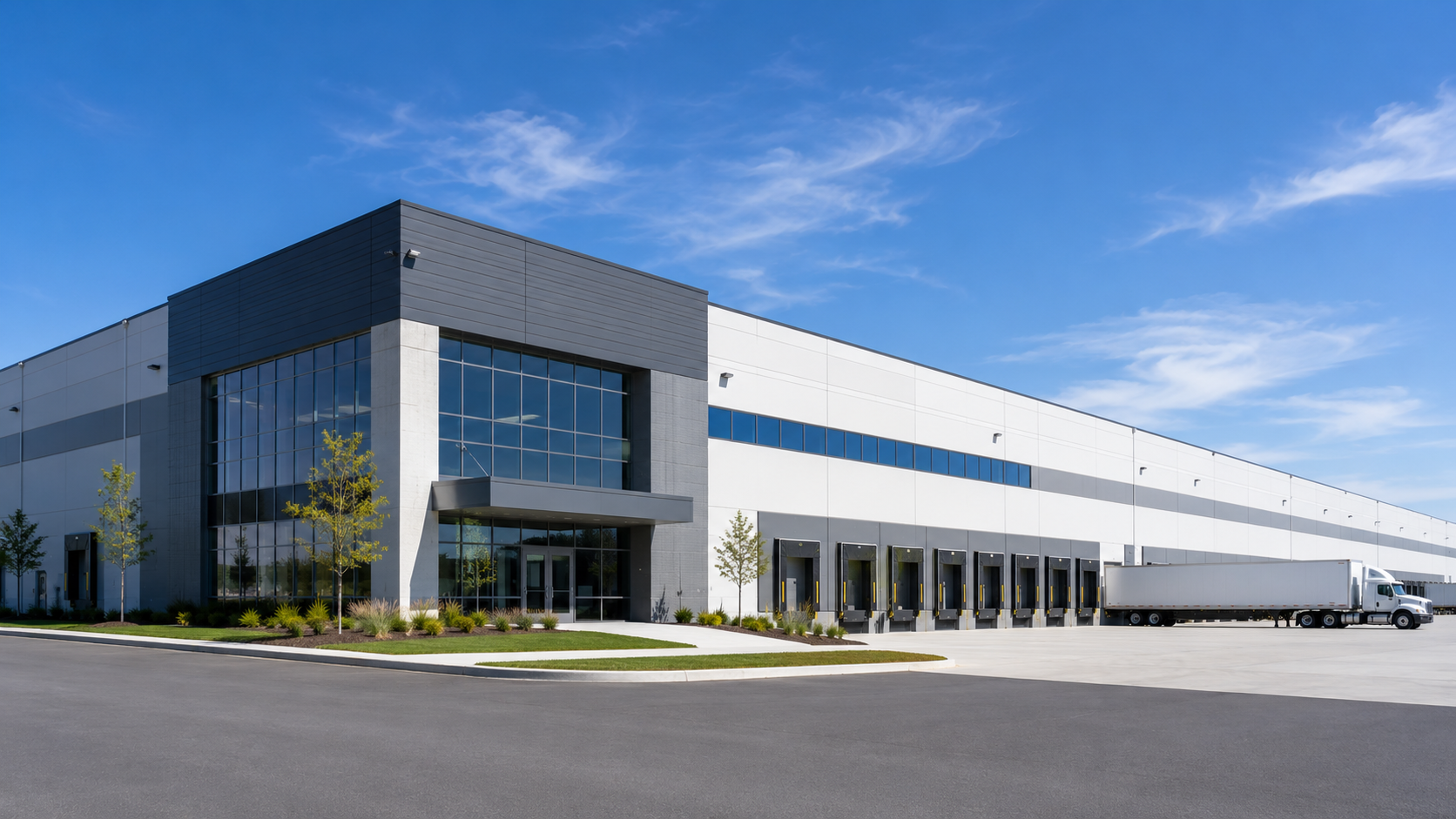
When most people think about Ottawa's economy, they think of government, technology and professional services. While those sectors continue to drive employment and investment, another segment of the market has quietly become one of the region's strongest performers: industrial real estate.
Industrial land supports far more than manufacturing. It provides the foundation for logistics companies, construction firms, utility providers, municipal operations, equipment rental businesses and a growing number of service-based industries that keep the National Capital Region moving. As Ottawa continues to grow and Eastern Ontario attracts new investment, demand for strategically located industrial land continues to increase.
Unlike many commercial asset classes, industrial land is a finite resource. Once serviced industrial land is developed or rezoned for another use, replacing it becomes increasingly difficult. That scarcity, combined with changing business needs, is making industrial land one of Ottawa's most strategic commercial assets.
Ottawa's Strategic Location
Ottawa occupies a unique position within Eastern Canada's transportation network. Highway 417 connects the city to Montréal and the broader Quebec market, while Highway 416 provides direct access to Highway 401, Canada's busiest transportation corridor linking Toronto, Southwestern Ontario and the U.S. border. Combined with rail infrastructure and cargo capabilities at the Ottawa International Airport, businesses can efficiently serve millions of consumers and commercial customers across Central Canada and the Northeastern United States. For companies whose operations depend on moving equipment, materials or inventory, location is no longer simply a real estate decision—it's a competitive advantage. Reducing travel time improves productivity, lowers transportation costs and allows businesses to respond more quickly to customer demands. This strategic positioning continues to support industrial demand across the National Capital Region.
A Market Built on Strong Fundamentals
Despite economic uncertainty in many sectors, Ottawa's industrial market has remained remarkably resilient. According to CBRE's Q1 2026 Industrial Market Report, Ottawa's industrial availability rate declined from 4.9% to 4.4% during the first quarter of 2026, representing approximately 182,000 square feet of positive net absorption. Major leasing activity included new commitments from both private industry and public-sector occupiers, reinforcing continued demand for quality industrial space. Nationally, Canada's industrial market also showed signs of stabilization. CBRE reported 4.2 million square feet of positive net absorption across the country during Q1 2026, while the national industrial availability rate held steady at 5.5%, suggesting that demand continues to absorb much of the new supply entering the market. For Ottawa, these numbers reinforce an important point: while new industrial development continues, well-located industrial properties remain in relatively limited supply.
The Growing Role of Industrial Outdoor Storage
One of the fastest-growing segments within industrial real estate is Industrial Outdoor Storage (IOS). Unlike traditional industrial developments that focus primarily on buildings, IOS properties often dedicate much of the site to secure outdoor operations. These sites accommodate commercial vehicles, trailers, heavy equipment, shipping containers, construction materials and fleet assets that support day-to-day business operations. Although these properties rarely receive public attention, they have become increasingly important as businesses seek greater operational efficiency.
Industries driving demand include:
- Trucking and logistics companies
- Construction contractors
- Equipment rental businesses
- Utility providers
- Municipal fleets
- Telecommunications contractors
- Landscape contractors
- Waste and recycling operators
- Building material suppliers
For many of these businesses, outdoor storage is not simply convenient—it's essential. Having equipment, vehicles and materials located close to customers, transportation corridors and active job sites reduces downtime and improves productivity.
What Makes Industrial Land Valuable?
Not all industrial sites are created equal. Businesses evaluating industrial properties typically look beyond the purchase price or lease rate. The long-term value of industrial land is often determined by several key characteristics:
- Appropriate industrial zoning
- Access to major highways and transportation corridors
- Functional layouts for commercial vehicles and heavy equipment
- Secure outdoor storage capabilities
- Availability of municipal services
- Opportunities for future expansion
- Access to skilled labour
- Proximity to customers and suppliers
As operating costs continue to rise, businesses increasingly recognize that selecting the right location can improve efficiency for years to come.
Looking Ahead
Industrial real estate may not generate the same public attention as office towers or mixed-use developments, but it remains one of the foundational components of Ottawa's economy. From supporting infrastructure projects and regional logistics to enabling construction, municipal services and advanced manufacturing, industrial land provides the space that allows businesses to operate, expand and compete. As Ottawa continues to invest in infrastructure, attract new employers and strengthen its role within Eastern Canada's economy, strategically located industrial land is expected to remain an important commercial asset. For investors, developers and business owners, understanding these long-term trends is essential. The most successful commercial real estate decisions are rarely based on today's market alone—they're based on recognizing where tomorrow's demand is headed.
Check out this article next